greater new guide baptist church
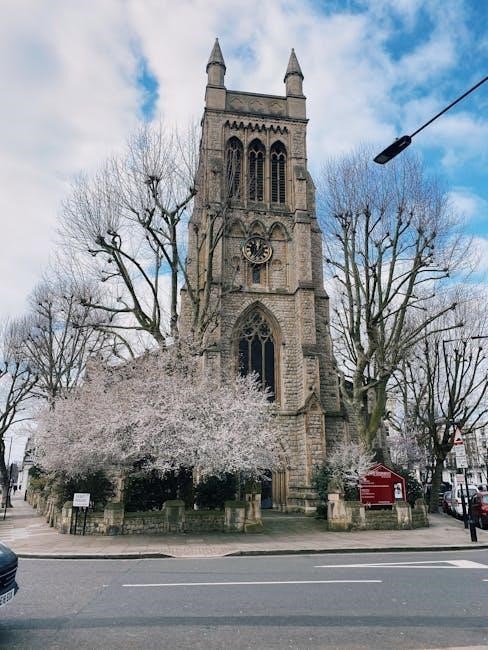
I. Historical Foundations of Greater New Guide Baptist Church
Reverend Ike Kelly founded the church in Scotlandville, Baton Rouge, in the early 20th century, establishing a vital spiritual center for the community.
The congregation’s initial growth and subsequent relocation to North 19th Street in 1914 marked a pivotal moment in its early development.
A. Founding and Reverend Ike Kelly
Reverend Ike Kelly stands as the foundational figure in the history of Greater New Guide Baptist Church. He courageously organized the nascent congregation within the Scotlandville community of Baton Rouge in the early decades of the 20th century. This period was marked by significant social and racial challenges, yet Reverend Kelly’s vision provided a beacon of hope and spiritual guidance for African Americans in the region.
Details surrounding the very earliest meetings and initial membership are scarce, but oral histories suggest a strong commitment to evangelism and community upliftment from the outset. Reverend Kelly’s leadership wasn’t simply about religious instruction; it was about fostering a sense of belonging and empowerment within a segregated society. His dedication laid the groundwork for the church’s future growth and enduring legacy.
He skillfully navigated the complexities of the time, establishing a firm spiritual foundation.
B. Early Years in Scotlandville, Baton Rouge
The initial years of Greater New Guide Baptist Church, rooted in the Scotlandville area of Baton Rouge, were characterized by humble beginnings and a deep commitment to serving the local African American community. Scotlandville, a historically Black community, provided both the context and the initial support base for the fledgling church. Services were likely held in modest settings – perhaps homes or rented spaces – before the congregation could afford dedicated property.
During this formative period, the church functioned as more than just a place of worship; it served as a vital social hub, offering mutual aid, education, and a sense of collective identity. The challenges of segregation and limited opportunities underscored the importance of the church as a safe haven and a source of strength. This early focus on community empowerment would become a defining characteristic of Greater New Guide Baptist Church.
Reverend Kelly’s influence was paramount during these crucial years.
C. Relocation to North 19th Street (1914)
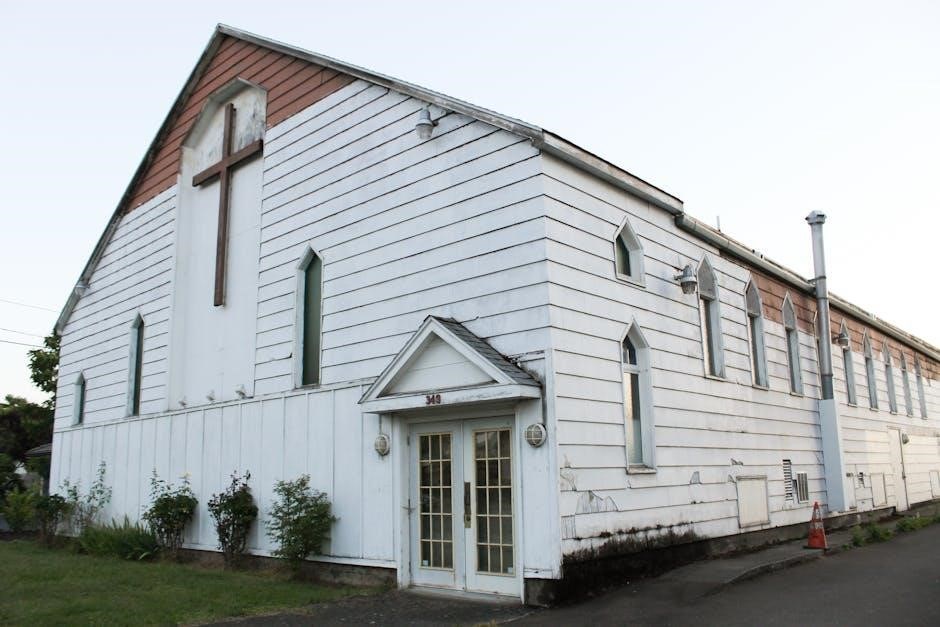
The move to a timber-framed church on North 19th Street in 1914 signified a significant step forward for Greater New Guide Baptist Church. This relocation represented not only a physical expansion but also a growing stability and recognition within the Baton Rouge community. Acquiring a dedicated church building allowed for more consistent worship services and the potential for expanded ministry programs.
The North 19th Street location became a focal point for the congregation, providing a permanent home and a visible presence. This period coincided with the early stages of the Great Migration, potentially leading to an influx of new members seeking spiritual and communal support. The church’s presence on North 19th Street would become deeply intertwined with the history and development of the surrounding neighborhood.
This move facilitated congregation growth in the following decades.
II. Growth and Development (1920s ⏤ 1950s)
During the 1920s, Greater New Guide Baptist Church experienced substantial congregation expansion, becoming a cornerstone of the community during segregation’s challenges.
A. Congregation Expansion
Following the relocation to North 19th Street in 1914, Greater New Guide Baptist Church witnessed a period of significant growth throughout the 1920s. This expansion wasn’t merely numerical; it represented a deepening of faith and a strengthening of community bonds within the Scotlandville area of Baton Rouge.
The church became a focal point for African Americans navigating the complexities of segregation, offering not only spiritual guidance but also a safe and supportive environment; As word of the church’s welcoming atmosphere and impactful services spread, more families joined the congregation, necessitating larger facilities and increased ministry efforts. This period laid the foundation for the church’s enduring legacy as a vital institution.
B. Community Impact During Segregation
During the era of segregation, Greater New Guide Baptist Church served as a crucial pillar of strength and resilience for the African American community in Baton Rouge. Beyond providing spiritual solace, the church actively fostered a sense of unity and self-worth in the face of systemic discrimination.
It became a hub for social interaction, mutual aid, and educational opportunities, filling gaps left by unequal access to resources. The church offered a safe space for organizing and advocating for civil rights, empowering individuals to challenge injustice. This commitment to social justice, rooted in faith, cemented the church’s role as a beacon of hope and a catalyst for positive change during a deeply challenging period.
C. Key Leadership Figures Beyond Reverend Kelly
While Reverend Ike Kelly was foundational, the continued growth of Greater New Guide Baptist Church relied on dedicated leaders who followed. Though specific names from the 1920s onward aren’t readily available in current records, their contributions were vital in sustaining the congregation’s expansion and community outreach.
These individuals likely included deacons, ministry leaders, and educators who nurtured the spiritual and social fabric of the church. Their commitment ensured the continuation of Kelly’s vision, adapting to evolving needs while upholding core Baptist values. Further research into church archives and local historical societies is needed to fully illuminate the legacies of these unsung heroes who shaped the church’s trajectory.
III. Architectural Significance
The church features a notable timber-framed structure, built in 1914, reflecting early 20th-century construction techniques and a simple, yet enduring, design aesthetic.
A. Timber-Framed Church Structure
The architectural core of Greater New Guide Baptist Church resides in its original timber-framed structure, erected upon relocation to North 19th Street in 1914. This construction method, prevalent in the early 20th century, utilized heavy timbers joined together to create a robust and lasting framework.
The choice of timber framing speaks to both the available resources and the building skills of the time. While details regarding the specific carpentry techniques employed remain to be fully documented, the enduring presence of the structure testifies to the craftsmanship involved. The timber frame not only provided structural support but also contributed to the church’s aesthetic character, offering a warm and inviting atmosphere for worship.
Further investigation into the timber’s species and the joinery details could reveal valuable insights into the church’s construction history and potential for historical preservation.
B. Potential Historical Preservation Status
Given its age – established in the early 20th century with the current structure dating to 1914 – and its significance to the Scotlandville community of Baton Rouge, Greater New Guide Baptist Church possesses strong potential for achieving historical preservation status.
The Louisiana Trust for Historic Preservation has already acknowledged the church’s importance, suggesting it merits further consideration. Documentation of its founding by Reverend Ike Kelly, its role during segregation, and its architectural features (particularly the timber frame) would strengthen any application for landmark designation.
Securing preservation status could unlock funding opportunities for restoration and maintenance, ensuring the church’s continued presence as a vital cultural and historical resource for future generations. A formal assessment by preservation experts is the logical next step.
C. Architectural Style and Influences
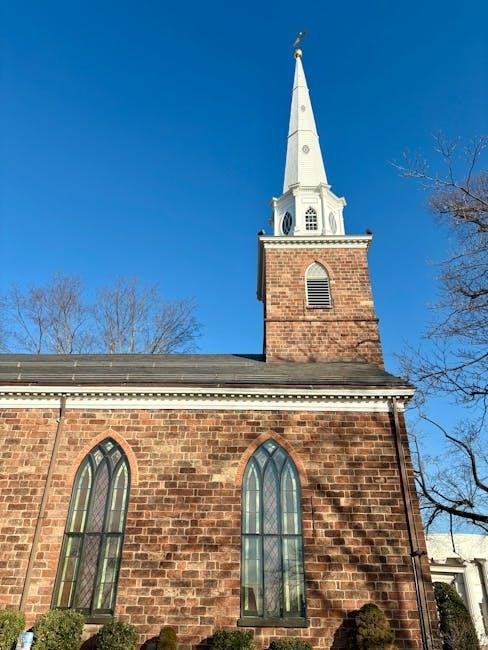
Greater New Guide Baptist Church is characterized by its timber-framed church structure, a construction method common in the early 20th century, particularly in rural and developing areas. While specific stylistic details require further investigation, the building likely reflects vernacular architectural traditions prevalent in Louisiana during that period.
The simplicity of the timber frame suggests a practical approach to construction, prioritizing functionality and affordability for the growing congregation. Influences may include elements of Folk Victorian or Craftsman styles, adapted to the needs and resources of the African American community it served.
Further research into local building practices and materials used in 1914 would illuminate the specific architectural influences shaping the church’s design.

IV. Connection to the Broader Baptist Tradition
Greater New Guide Baptist Church aligns with core Baptist beliefs and practices, potentially utilizing resources like The New Hiscox Guide for Baptist Churches for guidance.
A. Baptist Denominational Affiliation
While specific denominational ties of Greater New Guide Baptist Church aren’t explicitly detailed in the provided sources, its very name – “Baptist” – signifies a clear connection to the broader Baptist tradition. This tradition emphasizes believer’s baptism by immersion, the autonomy of the local church, and the priesthood of all believers.
The church likely operates under principles common to many Baptist congregations, prioritizing biblical authority and individual faith. Its historical context within Louisiana suggests potential affiliations with state or regional Baptist conventions, though further research is needed to confirm specific partnerships. The influence of resources like The New Hiscox Guide for Baptist Churches indicates a commitment to established Baptist practices and organizational structures, fostering a sense of belonging within the larger Baptist community.
B. Influence of the New Hiscox Guide for Baptist Churches
The presence of The New Hiscox Guide for Baptist Churches in the historical record suggests a significant influence on Greater New Guide Baptist Church’s organizational and procedural practices. Authored by Everett C. Goodwin, this guide served as a comprehensive resource for Baptist congregations, covering topics from church governance to worship practices.
Its adoption likely reflects a desire among church leaders to align with established Baptist norms and ensure effective church administration. Goodwin’s pastoral experience in various states, including his role at First Baptist Church in Washington D.C., lends credibility to the guide’s recommendations. The church’s adherence to the guide’s principles would have fostered consistency and strengthened its foundation within the Baptist denomination.
C. Baptist Doctrines and Practices
As a Baptist church, Greater New Guide Baptist Church historically adhered to core tenets including believer’s baptism by immersion, the autonomy of the local church, and the priesthood of all believers. These foundational doctrines shaped the congregation’s identity and worship style.
Practices likely included regular observance of the Lord’s Supper, congregational singing of hymns, and a strong emphasis on biblical preaching. The church’s affiliation with the broader Baptist tradition fostered a shared understanding of scripture and a commitment to evangelism. While specific expressions may have evolved over time, these fundamental doctrines and practices remained central to the church’s spiritual life and community outreach.
V. The Russian Baptist Union – Historical Context
The Russian Baptist Union originated in 1802 with a delegation from the Scottish Bible Society sent to the Caucasus, laying the groundwork for its formation in 1884.
A. Origins in the Caucasus (1802)
The story of the Russian Baptist Union begins unexpectedly in 1802, not within Russia itself, but in the Caucasus region. A delegation representing the Scottish Bible Society embarked on a mission to spread scripture, but faced resistance from Emperor Alexander I.
Concerned about the potential for “free-thinking” within his empire, the Emperor strategically redirected the delegation. Instead of allowing them to operate freely in Russia, he sent them to the mountainous Caucasus, specifically to the village of Inozemtsevo, populated by highlanders.
This seemingly dismissive act proved pivotal. It planted the seeds of the Baptist faith in a new cultural landscape, initiating a chain of events that would eventually lead to the formal establishment of the Russian Baptist Union decades later. This initial placement, though politically motivated, proved to be a fertile ground for the burgeoning movement.
B. Development in Ukraine and Georgia
Following the initial foothold in the Caucasus, Baptist beliefs began to spread and take root in neighboring regions of Ukraine and Georgia during the late 19th century. In Ukraine, the movement gained traction through interactions with Russian communities influenced by German Mennonite settlers. These groups engaged in dedicated Bible study, ultimately adopting Baptist tenets and practices.
Simultaneously, in Georgia, German Baptists actively pursued converts, successfully establishing a growing Baptist community within the region. These independent developments – one fueled by Mennonite influence and the other by direct German missionary work – were not isolated.
Crucially, in 1884, these two distinct movements converged, uniting to formally create the Russian Baptist Union, solidifying a collective identity and purpose.
C. Formation of the Russian Baptist Union (1884)
The year 1884 witnessed a landmark moment in Russian Baptist history: the formal establishment of the Russian Baptist Union. This unification wasn’t spontaneous; it was the culmination of burgeoning Baptist communities in Ukraine and Georgia, each developing independently yet sharing core beliefs. The merging of these groups provided a stronger, unified voice and organizational structure.
This newly formed Union allowed for coordinated efforts in evangelism, theological education, and mutual support amongst its constituent churches. It also facilitated a more effective response to the challenges posed by the prevailing socio-political climate of the Russian Empire.
The Union’s formation marked a significant step towards establishing a lasting Baptist presence within the Russian landscape, laying the groundwork for future growth and resilience.
VI. Modern Greater New Guide Baptist Church
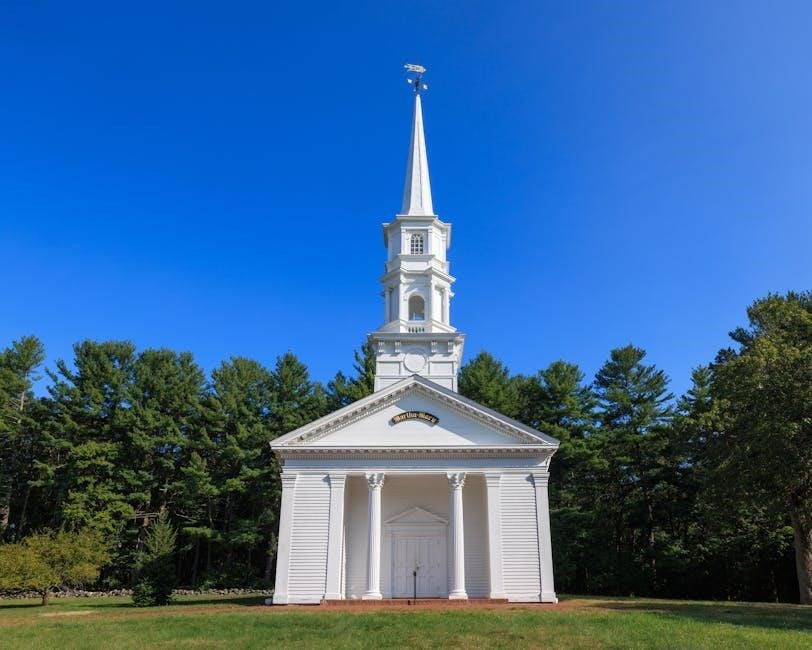
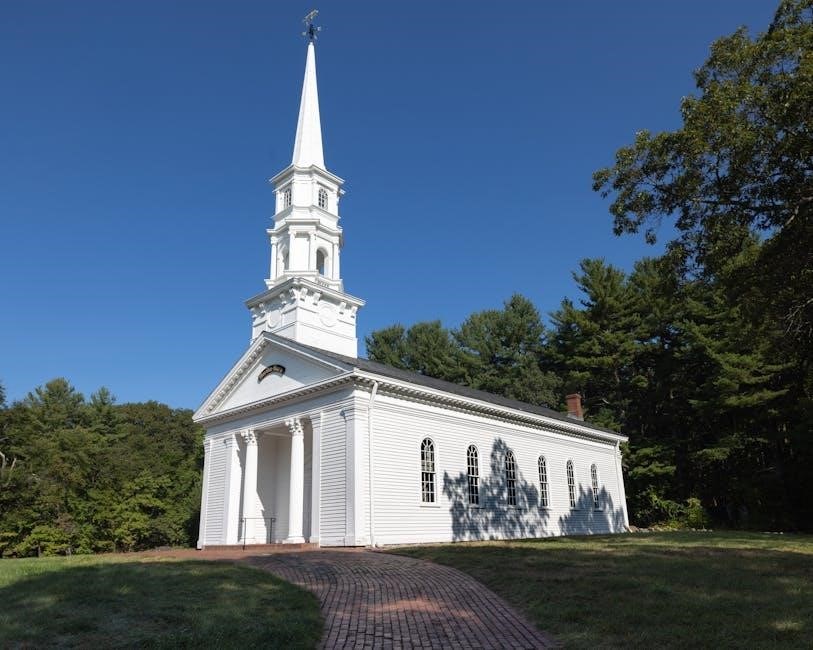
Today, the church thrives under current leadership, actively engaging in contemporary ministries and impactful outreach programs within the Baton Rouge community.
A. Current Leadership and Pastoral Team
While specific details regarding the current pastoral team of Greater New Guide Baptist Church aren’t readily available in the provided sources, the church’s continued operation signifies strong leadership. The longevity and success of any religious institution heavily rely on dedicated individuals guiding the congregation.
Drawing parallels from the broader Baptist tradition, as highlighted by Everett C. Goodwin’s work with The New Hiscox Guide for Baptist Churches, effective pastoral leadership involves a commitment to theological understanding and community service. It’s reasonable to assume the current team embodies these principles.
The church’s ongoing community engagement in the 21st century suggests a proactive and visionary leadership focused on relevance and impact, building upon the foundations laid by Reverend Ike Kelly.
B. Contemporary Ministries and Outreach Programs
Although specific contemporary ministries of Greater New Guide Baptist Church aren’t detailed in the provided text, its continued “community engagement in the 21st century” suggests a vibrant outreach program. Following the Baptist tradition, ministries likely focus on spiritual growth, education, and practical support for members and the wider Baton Rouge community.
Inspired by the historical impact during segregation, modern outreach could address contemporary social issues, mirroring the Russian Union of Evangelical Christians-Baptists’ commitment to serving communities during challenging times.
Ministries may include youth programs, adult education, and initiatives addressing local needs, reflecting a dedication to both spiritual and tangible well-being, building upon the legacy of Reverend Ike Kelly’s founding vision.
C. Community Engagement in the 21st Century
Greater New Guide Baptist Church continues a legacy of impactful community involvement, building upon its historical role, particularly during periods of segregation. While specifics aren’t detailed, the church’s ongoing engagement suggests active participation in addressing contemporary local challenges.
Drawing inspiration from the Russian Union of Evangelical Christians-Baptists’ dedication to service, the church likely supports initiatives focused on social justice, education, and economic empowerment within Baton Rouge.
This commitment reflects a broader Baptist ethos of outreach and a dedication to embodying Christian values through practical action, honoring the foundational work of Reverend Ike Kelly and subsequent leadership.