glucose chart pdf
Understanding Glucose Charts & PDF Resources (Updated 03/23/2026)
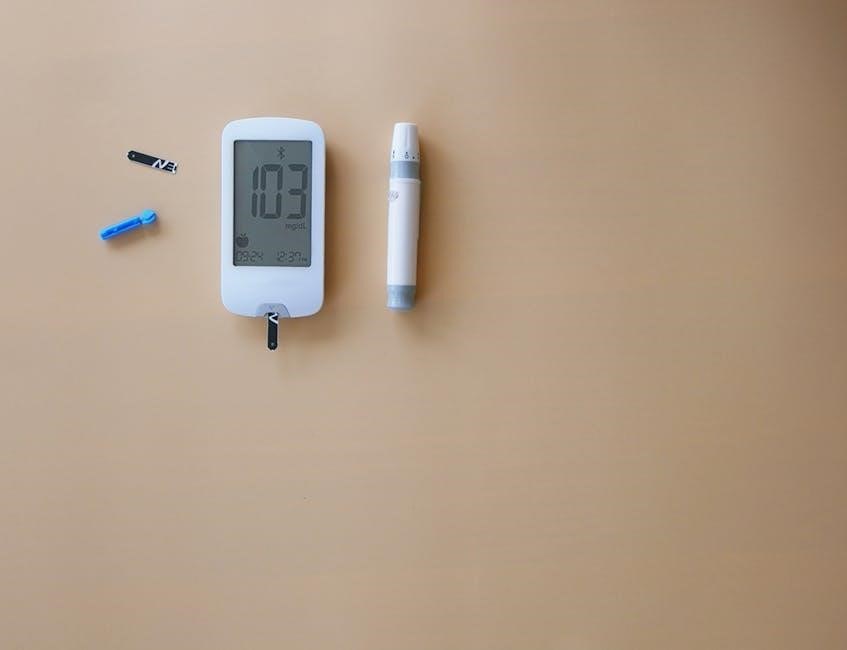
Glucose charts, often available as PDFs, are vital tools for tracking blood sugar levels, aiding in diabetes management, and understanding overall health trends.
These resources, updated today – 03/23/2026 – provide essential data for individuals and healthcare professionals, ensuring informed decisions regarding treatment and lifestyle adjustments.
PDF formats offer convenient access and portability, allowing users to readily reference target ranges and monitor fluctuations in glucose levels throughout the day.
What is a Glucose Chart?
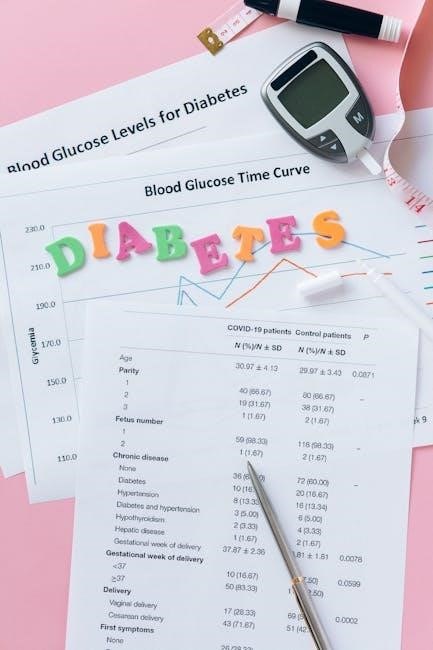
A glucose chart, frequently distributed as a PDF document, is a visual representation of an individual’s blood sugar (glucose) levels over a specific period. These charts are fundamental tools for both people managing diabetes and those simply monitoring their health. They typically display readings taken at various times – before meals, after meals (postprandial), and before bedtime – allowing for a comprehensive overview of glucose fluctuations.
The primary function of a glucose chart is to help identify patterns and trends in blood sugar levels. By consistently recording readings, individuals can pinpoint factors that influence their glucose, such as diet, exercise, stress, or illness. PDF versions are particularly useful because they are easily downloadable, printable, and shareable with healthcare providers.
These charts aren’t just lists of numbers; they are crucial for effective diabetes management. They empower individuals to understand how their bodies respond to different stimuli and to make informed decisions about their treatment plan, often in collaboration with their doctor. A well-maintained chart provides valuable data for adjusting medication, dietary habits, and activity levels, ultimately leading to better health outcomes.
Why Use a Glucose Chart PDF?
Utilizing a glucose chart in PDF format offers numerous advantages for individuals managing their blood sugar levels. PDFs provide a universally accessible and easily shareable document, perfect for communicating with healthcare professionals. Unlike handwritten notes, a PDF chart ensures clarity and legibility, minimizing potential errors in interpretation.
The portability of PDFs is a significant benefit; you can access your chart on any device – smartphone, tablet, or computer – making tracking convenient wherever you are. Furthermore, PDFs allow for easy printing, creating a physical record for personal reference or doctor’s appointments. They also facilitate long-term storage without the risk of deterioration or loss associated with paper charts.
Downloading charts as PDFs from reputable sources like the ADA, NHS, or CDC ensures you’re using reliable and medically sound resources. These PDFs often include helpful information about target ranges and interpreting results, empowering you to actively participate in your health management. Ultimately, a glucose chart PDF is a practical and efficient tool for proactive health monitoring;
Normal Blood Glucose Levels
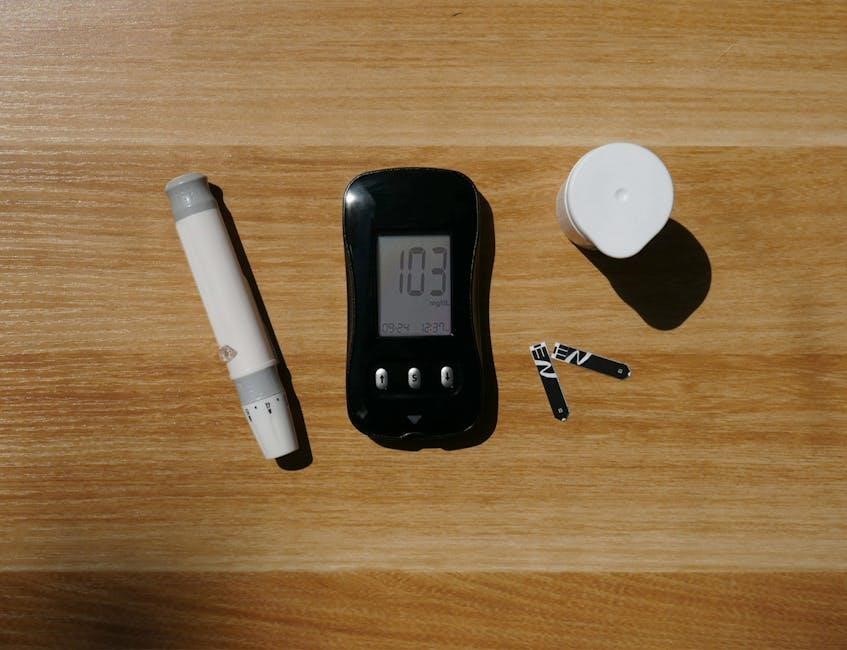
Glucose chart PDFs detail typical ranges, generally 72-140 mg/dL for those without diabetes.
Understanding these levels, as presented in PDF resources, is crucial for assessing overall health and identifying potential concerns.
Fasting Blood Glucose Levels
Glucose chart PDFs specifically highlight fasting blood glucose as a key indicator of metabolic health. This measurement, taken after an overnight fast – typically at least eight hours – provides a baseline assessment of how the body processes sugar.
Normal fasting levels, as detailed in these PDF resources, generally fall between 70 and 99 mg/dL. Values between 100 and 125 mg/dL may indicate prediabetes, signaling an increased risk of developing type 2 diabetes. A fasting glucose level of 126 mg/dL or higher on two separate tests typically confirms a diagnosis of diabetes.

These PDF charts often visually represent these ranges, making it easier for individuals to understand their results. Regularly monitoring fasting blood glucose, using a chart as a guide, empowers individuals to proactively manage their health and collaborate effectively with their healthcare providers. Consistent tracking, documented within a PDF or similar format, allows for identification of trends and timely intervention if needed.
It’s important to remember that individual targets may vary, and a doctor-provided chart should always be prioritized.
Blood Glucose Levels After Eating (Postprandial)
Glucose chart PDFs dedicate significant attention to postprandial glucose levels – those measured after eating. These readings reveal how effectively the body manages glucose spikes following a meal, offering crucial insights into carbohydrate metabolism and insulin sensitivity.
Generally, for individuals without diabetes, blood glucose should ideally be less than 140 mg/dL two hours after starting a meal. PDF resources often illustrate this target range with clear visual cues. For those with diabetes, target postprandial levels, as detailed in these charts, are often individualized, but typically fall between 140-180 mg/dL.
These PDF guides emphasize the importance of consistent monitoring, noting that levels can vary based on food choices, portion sizes, and individual metabolic responses. Tracking postprandial glucose, using a chart, helps identify foods that cause significant spikes and informs dietary adjustments.
A well-designed PDF chart will also explain the timing of measurements – typically one or two hours after the start of a meal – for accurate assessment. Remember, personalized targets, provided by a healthcare professional, always supersede general guidelines.
Blood Glucose Levels Throughout the Day
Glucose chart PDFs comprehensively illustrate expected blood glucose fluctuations across a 24-hour period, moving beyond fasting and postprandial readings. These charts demonstrate how levels naturally rise and fall, providing a baseline for understanding individual responses.
Typically, for individuals without diabetes, levels remain relatively stable throughout the day, generally between 72-140 mg/dL. PDF resources often visually represent this range, highlighting optimal zones. For those managing diabetes, these charts showcase target ranges that may vary depending on the time of day and individual treatment plans.
A detailed PDF will often include recommended testing times – before meals, two hours after meals, and at bedtime – to capture a complete picture. These charts emphasize that overnight glucose levels are particularly important, as they indicate how well the body manages glucose during sleep.
Utilizing a PDF chart helps identify patterns and potential issues, such as nocturnal hypoglycemia or dawn phenomenon. Remember, these charts are guides; personalized targets, determined with a doctor, are paramount.
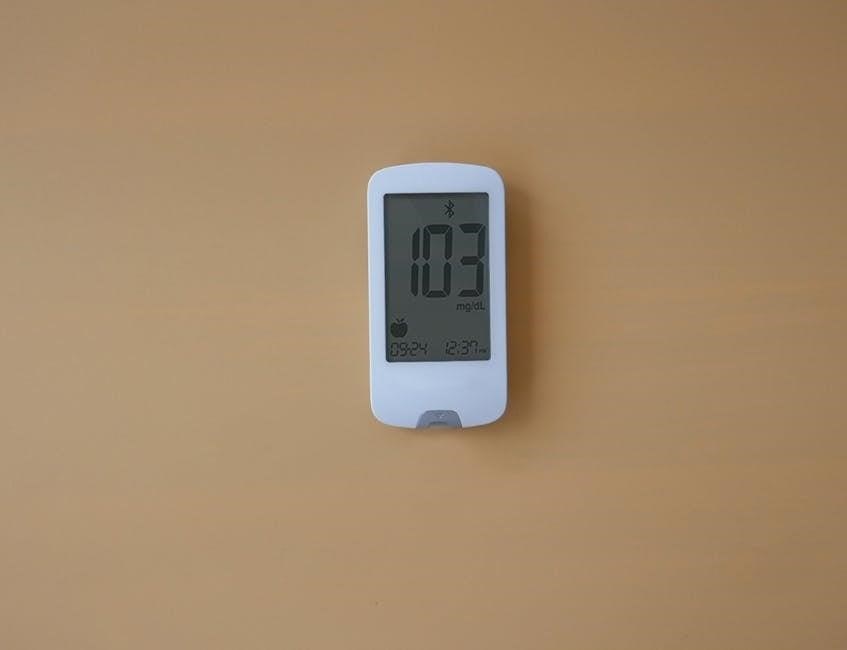
Glucose Charts for People with Diabetes
Glucose chart PDFs are essential for individuals with diabetes, offering tailored target ranges for effective blood sugar management and treatment plan adherence.
These PDF resources help monitor levels, ensuring they align with personalized goals set by healthcare professionals, improving overall health outcomes.
Target Ranges for Type 1 Diabetes
For individuals managing Type 1 Diabetes, utilizing a glucose chart PDF is paramount for maintaining stable blood sugar levels. These charts typically outline target ranges before meals, aiming for 80-130 mg/dL (4.4-7.2 mmol/L).
After meals (postprandial), the recommended range generally falls between 180-250 mg/dL (10.0-13.9 mmol/L). However, it’s crucial to remember these are general guidelines, and personalized targets, often provided by a doctor via a customized PDF, are essential.
Consistent monitoring with a glucose chart PDF helps identify patterns and adjust insulin dosages accordingly. Maintaining levels within the target range minimizes the risk of both hypoglycemia (low blood sugar) and hyperglycemia (high blood sugar), both of which can lead to short- and long-term health complications.
Regularly reviewing these PDF charts with your healthcare team ensures your diabetes management plan remains effective and tailored to your individual needs, promoting optimal health and well-being. Remember, proactive management is key!
Target Ranges for Type 2 Diabetes
Managing Type 2 Diabetes effectively relies heavily on consistent blood glucose monitoring, often facilitated by a detailed glucose chart PDF. Unlike Type 1, target ranges can be slightly more flexible, but still require diligent tracking.
Generally, PDF charts recommend a pre-meal blood glucose target of 80-130 mg/dL (4.4-7.2 mmol/L). Postprandial (1-2 hours after eating) goals typically fall below 180 mg/dL (10.0 mmol/L). However, individual targets, clearly outlined in a doctor-provided PDF, are crucial for optimal control.
A glucose chart PDF allows individuals to identify trends and understand how diet, exercise, and medication impact their blood sugar. Maintaining levels within the target range minimizes the risk of long-term complications associated with hyperglycemia.
Regularly reviewing these PDF resources with your healthcare provider ensures your treatment plan remains personalized and effective. Remember, blood sugar management is a collaborative effort, and consistent monitoring is a cornerstone of success.
Gestational Diabetes Glucose Targets
Gestational diabetes requires particularly careful blood glucose management, and a dedicated glucose chart PDF is an invaluable tool for expectant mothers. Maintaining stable blood sugar levels is vital for both maternal and fetal health.
Typically, a PDF chart for gestational diabetes will outline fasting targets below 95 mg/dL (5.3 mmol/L). One-hour postprandial goals are generally under 140 mg/dL (7.8 mmol/L), while two-hour postprandial targets should remain below 120 mg/dL (6.7 mmol/L).
These targets, often detailed in a PDF provided by your healthcare provider, are stricter than those for Type 2 diabetes due to the potential impact on fetal development. Consistent monitoring using a glucose chart PDF helps identify and address any fluctuations promptly.
Regularly reviewing your readings with your doctor and adjusting your diet and exercise accordingly, guided by the PDF, is essential. Remember, personalized targets are key, and diligent tracking is crucial for a healthy pregnancy.
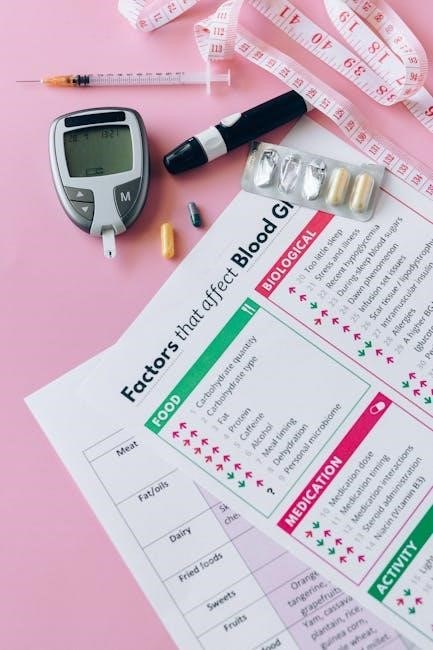
Factors Affecting Blood Glucose Levels
Glucose chart PDFs don’t show the whole picture; numerous factors influence readings. Age, diet, exercise, stress, and illness all play significant roles in blood sugar fluctuations.
Understanding these influences is crucial for accurate interpretation.
Age and Blood Glucose
Glucose chart PDFs often present general ranges, but age significantly impacts these levels. As we age, our bodies undergo physiological changes that can affect how glucose is processed and utilized.
Typically, younger individuals maintain tighter blood glucose control, while older adults may experience a gradual increase in blood sugar levels, even without a diagnosis of diabetes. This is often due to decreased insulin sensitivity and reduced pancreatic function.
However, it’s crucial to remember that these are generalizations. Individual health status, lifestyle factors, and pre-existing conditions play a more substantial role than age alone. A glucose chart PDF should be used as a starting point for discussion with a healthcare professional.
Personalized target ranges, considering age-related changes and individual health profiles, are essential for effective blood glucose management. Relying solely on a standard glucose chart PDF without accounting for age-specific considerations can lead to inaccurate interpretations and potentially suboptimal care.
Therefore, consulting with a doctor to establish age-appropriate goals is paramount.
Diet and Exercise Impact
Glucose chart PDFs are invaluable tools, but understanding how diet and exercise influence blood sugar is crucial for accurate interpretation. What you eat directly affects glucose levels; carbohydrates, in particular, have the most significant impact.
A glucose chart PDF can help identify how different foods affect your readings, allowing for informed dietary choices. Similarly, physical activity enhances insulin sensitivity, aiding glucose uptake by cells and lowering blood sugar.
Regular exercise, therefore, is a cornerstone of blood glucose management. However, the timing and intensity of exercise also matter. Monitoring blood sugar before, during, and after physical activity, using a glucose chart PDF as a record, can help optimize exercise routines.
Combining a balanced diet with consistent exercise is far more effective than relying solely on medication. A glucose chart PDF serves as a visual aid to track the synergistic effects of these lifestyle modifications, empowering individuals to take control of their health.
Remember to discuss dietary and exercise plans with your healthcare provider.
Stress and Illness Influence

Glucose chart PDFs are essential for tracking blood sugar, but it’s vital to recognize that factors beyond diet and exercise significantly impact glucose levels. Stress, for instance, triggers the release of hormones like cortisol, which can elevate blood sugar, making consistent monitoring with a glucose chart PDF even more important.
Illness, even a common cold, can also disrupt glucose control. The body’s response to infection often involves increased glucose production, potentially leading to higher readings recorded on your glucose chart PDF.
Understanding these influences allows for proactive management. During periods of stress or illness, more frequent blood glucose checks, diligently documented in your glucose chart PDF, are recommended.
Adjustments to medication or dietary intake may be necessary, guided by your healthcare provider and informed by the data captured in your glucose chart PDF. Recognizing these external factors and their impact is key to maintaining stable blood sugar levels and overall well-being.
Don’t hesitate to consult your doctor when experiencing prolonged fluctuations.

Where to Find Reliable Glucose Chart PDFs
Glucose chart PDFs are readily available from trusted sources like the ADA, NHS, and CDC.
Your doctor can also provide personalized charts tailored to your specific needs and health status.
Always verify the source!
Reputable Medical Organizations (ADA, NHS, CDC)
Seeking glucose chart PDFs from established medical organizations ensures access to accurate, evidence-based information. The American Diabetes Association (ADA) provides comprehensive resources, including downloadable charts outlining target blood glucose ranges for individuals with both Type 1 and Type 2 diabetes, as well as guidance for gestational diabetes.
Similarly, the National Health Service (NHS) in the United Kingdom offers readily accessible PDFs detailing healthy blood sugar levels and management strategies. These resources are particularly valuable for those seeking information aligned with UK healthcare standards.
The Centers for Disease Control and Prevention (CDC) also contributes to the availability of reliable glucose charts, focusing on diabetes prevention and management. Their PDFs often include information on prediabetes and the importance of regular blood glucose monitoring.
These organizations regularly update their materials to reflect the latest medical advancements, making their glucose chart PDFs a trustworthy source for individuals and healthcare professionals alike. Always prioritize resources from these reputable bodies to ensure the information you’re using is current and accurate.
Doctor-Provided Charts & Personalized Targets
While glucose chart PDFs from reputable organizations offer valuable general guidelines, it’s crucial to remember that personalized targets are paramount. Your physician can provide charts specifically tailored to your individual health profile, considering factors like age, overall health, other medical conditions, and medication regimen.
These doctor-provided charts often deviate from standard ranges, reflecting your unique needs and treatment plan. They’ll consider your response to medication, dietary habits, and exercise levels to establish realistic and achievable goals.
Discussing your target ranges with your doctor is essential. Don’t solely rely on generic PDFs; instead, collaborate to create a plan that optimizes your blood glucose control.
Your doctor may also provide PDFs detailing how to interpret your glucose readings and adjust your lifestyle accordingly. Remember, effective blood sugar management is a partnership between you and your healthcare provider, and personalized charts are a cornerstone of that collaboration.
Understanding Chart Variations & Individual Needs
Glucose chart PDFs aren’t one-size-fits-all; variations exist based on the source and intended audience. Charts from the ADA, NHS, or CDC may differ slightly in their recommended ranges, reflecting differing guidelines or approaches to diabetes management.
However, the most significant variations stem from individual needs. Factors like age, the type of diabetes (Type 1, Type 2, or gestational), and the presence of other health conditions dramatically influence target glucose levels.
A PDF geared towards individuals with Type 1 diabetes will have different targets than one for gestational diabetes. Furthermore, even within the same diabetes type, personalized goals are vital.
Understanding these nuances is crucial. Don’t blindly follow a PDF without considering your unique circumstances. Always prioritize your doctor’s recommendations and utilize charts as a tool for discussion and informed self-management, recognizing that your ideal range may differ from the general guidelines presented.